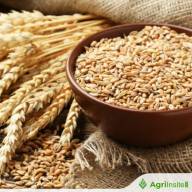






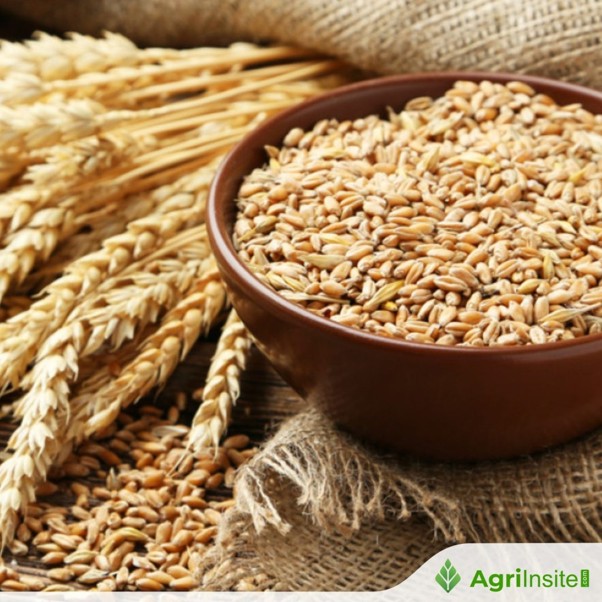
In this part of his Gospel St Matthew collects together a number of Jesus’ parables about the Kingdom of God. Today we have a second parable based on the sowing of the seed. This time it concerns not the yield of the harvest, but where weeds come from and how we should regard them. This is what philosophers of religion call ‘the problem of evil’. If God is both good and all-powerful, where does evil come from? For pagans it was a reality but not a moral problem. Their gods were not all powerful or good and human beings suffered the consequences of infighting between them. Equally for an atheist evil and suffering are realities but there is no god to blame. Our Lord offers an explanation in terms of a world of time and space where for a time God tolerates the existence of evil and suffering for the sake of a greater good. Only at the end of time, when we see the full picture, will we understand why this is. His focus is on the evil that comes from human beings rather than natural disasters. Often good and evil are intertwined and difficult to distinguish except with hindsight. Our human reaction to rush in and root out evil may do more harm than good. Darnel is also known as ‘cockle’ or ryegrass. It is generally believed that the presence of a fungus Claviceps purpurea (ergot) is what makes the plant toxic. It bears a close resemblance to wheat until the ear appears. The spikes are more slender than those of wheat. The wheat will also appear brown when ripe, whereas the darnel is black.