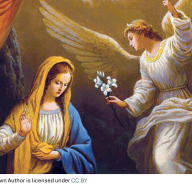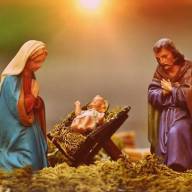






‘God is with us’. This is the meaning of the name given to the one who is to come by the Prophet Isaiah. In the Gospel St Matthew tells us that this is fulfilled in the child Mary is expecting. Yet the angel tells Joseph that his name is to be ‘Jesus’, which means ‘God saves’. This is not a contradiction. In Hebrew culture names are not just labels but have a meaning. The name ‘Jesus’ tells us of God’s purpose. He is coming into the world not just to spend time with us but to transform us bring the healing and spiritual wholeness – reconciliation and union with God – that we call salvation. The name ‘Emmanuel’ tells us how he will accomplish this. God does not simply issue a decree forgiving us, or heal us by an external act, as it were, a hand reaching down from heaven to pluck us out of the mire. Instead he becomes one of us, sharing our human nature to the full, except for sin, even to accepting death on the cross. This is the meaning of the word ‘Incarnation’. He shares our fleshly mortal nature so that through union with him we might share his divine and immortal nature. This is spelled out in the Collect or opening prayer at the Day Mass of Christmas:
“O God, who wonderfully created the dignity of human nature
and still more wonderfully restored it,
grant, we pray,
that we may share in the divinity of Christ,
who humbled himself to share in our humanity.
Who lives and reigns with you in the unity of the Holy Spirit,
one God, for ever and ever.”
A shortened version of this prayer is said quietly by the priest at every Mass when he adds a drop of water – symbolising our humanity – to the wine in the chalice – symbolising the divinity of Christ.